Published: 2026 · Updated: October 19, 2026
The maze
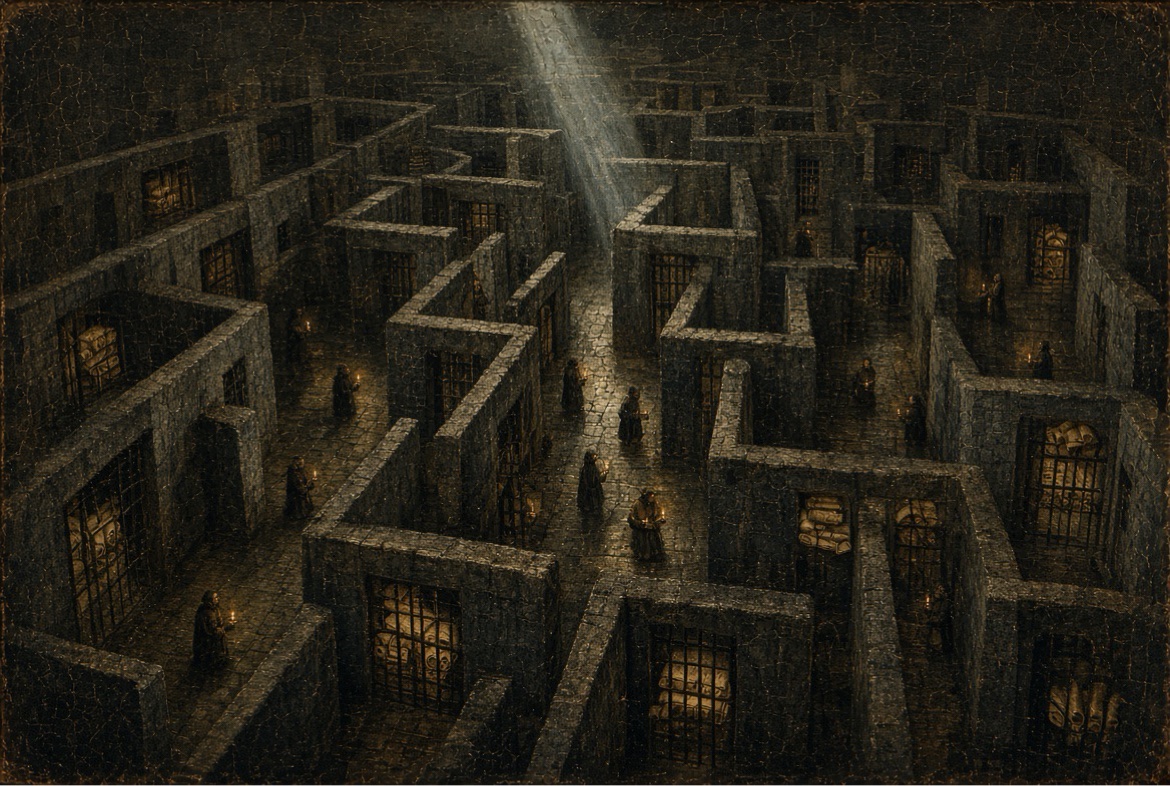
For decades, research has sat behind paywalls — written by scholars, locked by publishers. The tower built a maze and called it order. STANZA is the straight line through it.
The timeline
225 BCE — The axiom
Archimedes formalizes what every road-builder already knew: of all lines which have the same extremities, the straight line is the least. Common sense, written down.
c. 1175 — The tale
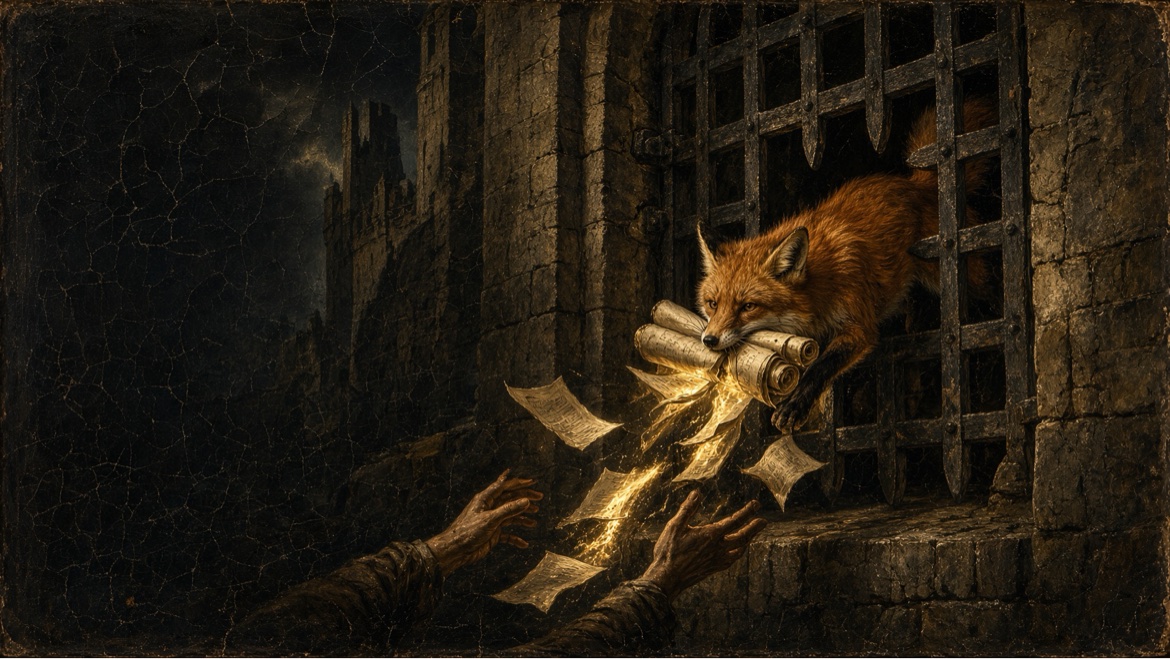
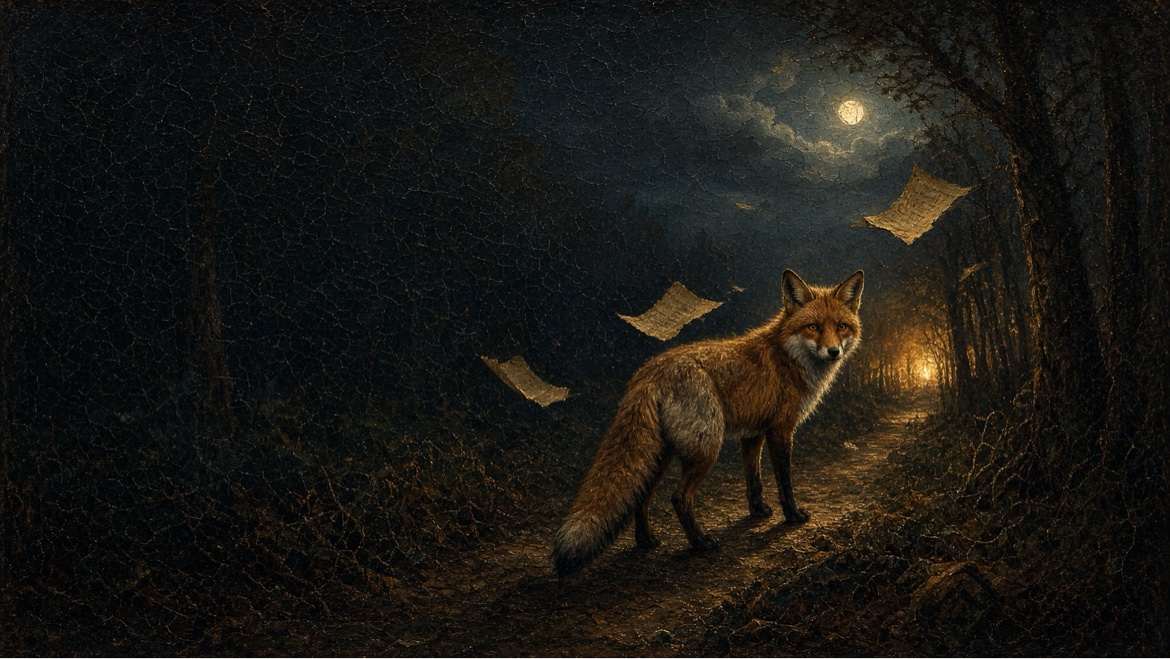
Across Europe, ordinary people tell stories of Reynard the Fox — small against kings and courts, who never petitions the powerful and simply does what should be done: he routes around them. The tales are satire, and that is the politics — among the first stories common people used to laugh at power. They loved him because he was obviously right.
Today — The token
Glenride is a think tank in the traditional structure — manuscripts, peer review, rigor, scholars named for their work. But ideologically separate: no tower decides what gets read or who gets honored. Independence needs a mechanism, because recognition can't run on goodwill. STANZA is that mechanism — and it is a promise: that those who truly move the world with research will be honored for it. Not by the court. By the commons. The straight line, drawn a third time.
Who is Reynard?
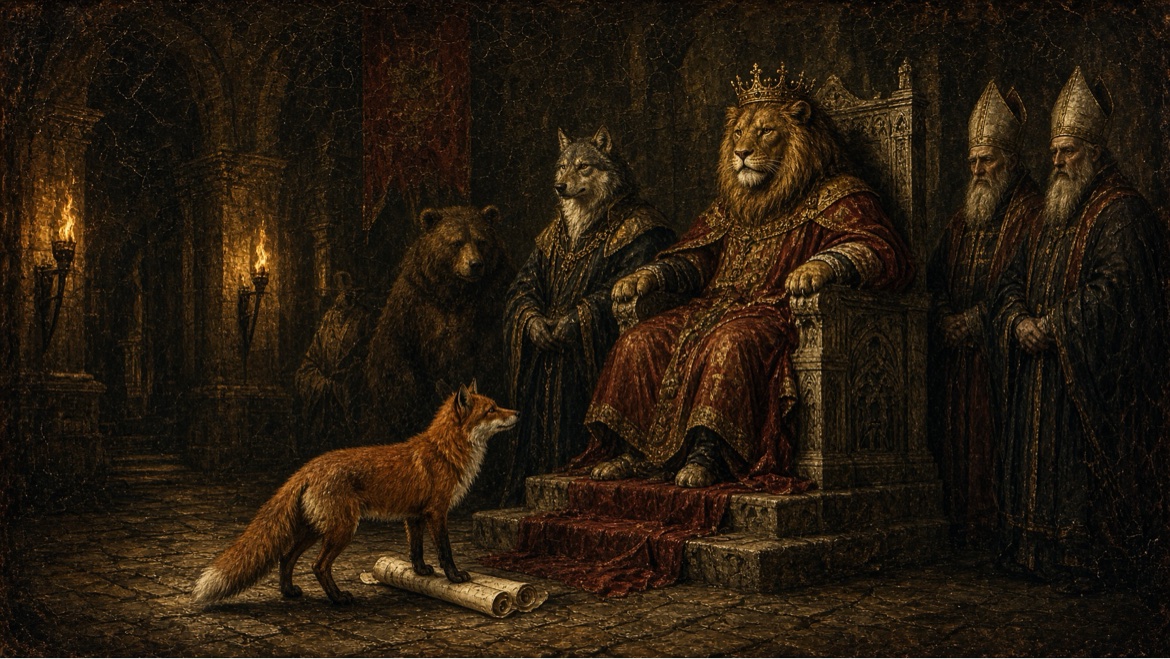
In the medieval tales, Reynard was the fox who outwitted kings — summoned to the lion’s court, condemned by wolves, hunted by bears, and he talked his way out every single time. Not with force. With wit. The powerful built their courts and wrote their rules. Reynard built his exits. Eight hundred years later, the court is publishers and the walls are paywalls. The fox is back.
The line
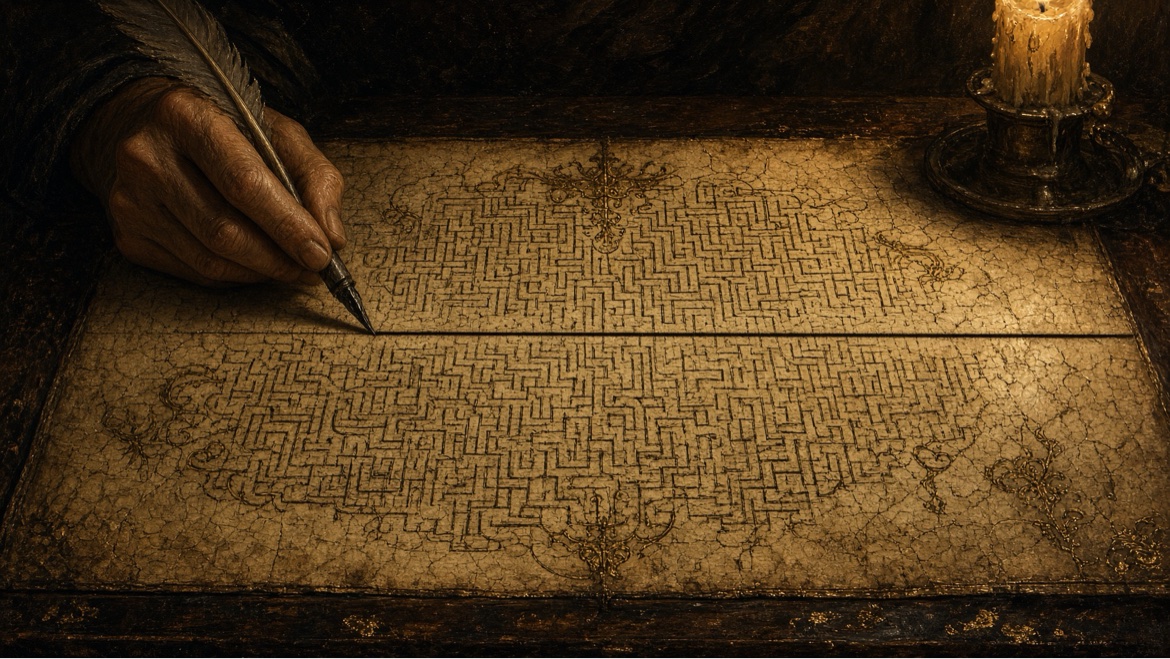
SpinWave is a scholarly manuscript and data repository built on one conviction: knowledge belongs to everyone.
- Scholars bring manuscripts and datasets out of the maze.
- Readers come to learn — no gates, no paywalls.
- Every contribution recognized. Every scholar named.
- STANZA is how the clever recognize their own.
The creed
Wit over walls.
Knowledge belongs to everyone.
Honor the scholars.
No permission needed.
Ideas set free.
swipe →
Recognition
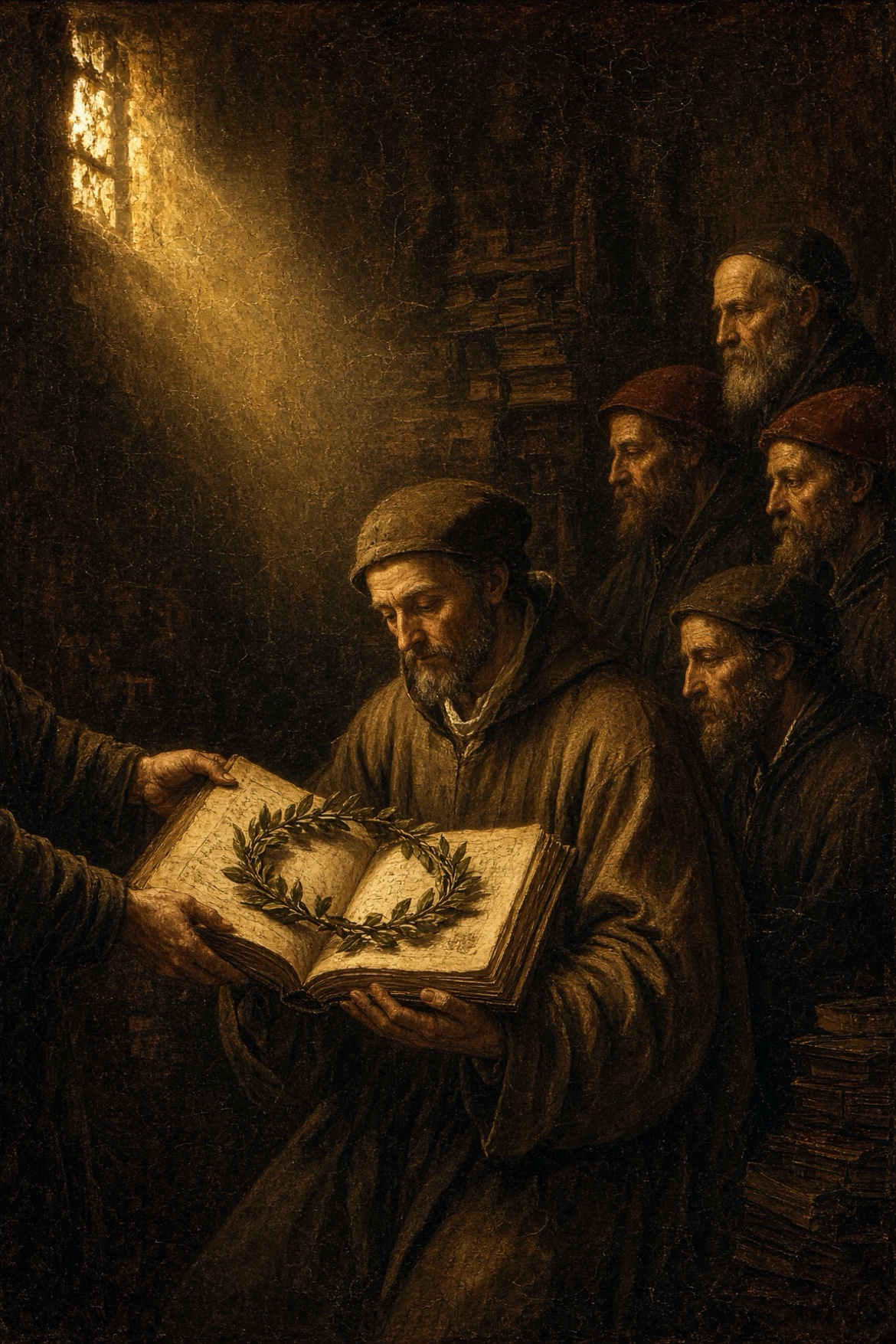
Peer reviewers are honored for their part. If you do the work, you get named for it. That’s the whole of it.
The build
The foundation: the repository, the review standard, the token mechanics — built in the open. Today you can read the covenant, verify the contract, and see exactly where it stands.
For scholars: bring your manuscript or dataset out from behind the paywall and be recognized for it — named, counted, on the record. 25,000 STANZA for an accepted manuscript, 40,000 for a dataset, 55,000 with a worked example.
For readers: license what you need, directly — no subscriptions, no gates. 60% of every license goes straight to the scholar who wrote it.
We’re building it in the open, and we’re telling you exactly where it stands.
Where things stand
0xf629f16ba91086e266accc417d10742f76207ba3
Any other address is not STANZA. The token lives on Base — it has never lived anywhere else. The first $SPIN deployment (0x4c972afefa2e4552307b87cf944e53136c361ba3) is superseded — full history on the token page →
- Recognition is pending, not a balance. The amounts above are reserved for scholars when Phase 1 opens. They cannot be withdrawn, transferred, or spent until then.
- The token is live but not trading. STANZA exists on Base and the pool is deployed — but no market has formed yet. Until trading begins, there is no price.
- Nothing is promised but the work. STANZA honors scholarship; it is not an investment, and we make no promises about its value.
Read the Trust Center → capital flow, token status, and risks, in plain language.
Run with Reynard
SpinWave is told in the open — follow along wherever you already are. Nothing to unlock, no errands to run.
The tale, as told
SpinWave on X — announcements and the argument, in the order they happened.
The den
The Telegram — the coordination room for the work.
The record
The timeline above — axiom, tale, token — the whole thing in one read.
Den standing
Connect your wallet — here, or in your wallet’s dApp browser — and the den will know you.
Prefer the quiet path? Leave your email and we'll write when Phase 1 opens.